Easy booking, trusted specialists, and compassionate multispeciality care.
Targeted, Minimally Invasive Treatment for Severe Blood Clots
Catheter-Directed Thrombolysis (CDT) is an advanced, minimally invasive procedure used to treat Deep Vein Thrombosis (DVT) and Pulmonary Embolism (PE) caused by significant blood clots. At Serenity Health Care, CDT is offered to selected patients with extensive or high-risk clots, focusing on rapid clot dissolution, restoration of blood flow, and prevention of long-term complications.
Unlike standard medical therapy alone, catheter-directed thrombolysis delivers clot-dissolving medication directly to the site of the blockage, allowing faster and more effective treatment while minimizing systemic side effects.
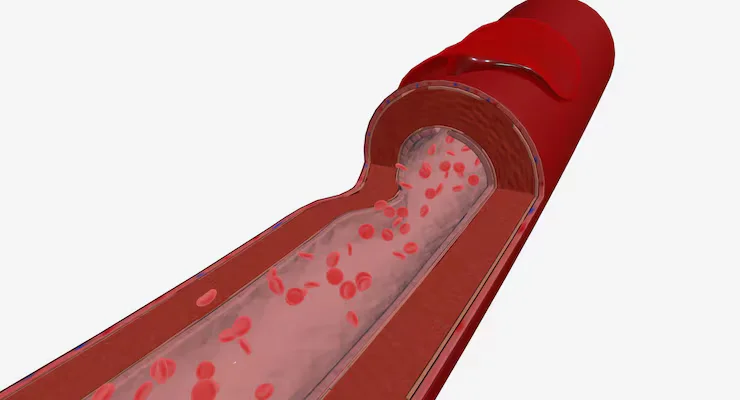
DVT occurs when a blood clot forms in the deep veins, most commonly in the legs or pelvis. If part of this clot dislodges and travels to the lungs, it can cause a pulmonary embolism, which may severely impair oxygen exchange and strain the heart.
Large or extensive clots can damage blood vessels, reduce circulation, and lead to complications such as chronic leg swelling, post-thrombotic syndrome, or pulmonary hypertension. Catheter-directed thrombolysis helps address these risks by actively breaking down the clot and restoring normal blood flow.
CDT is recommended for patients with extensive DVT, limb-threatening clot burden, or severe symptoms that do not respond adequately to standard anticoagulant therapy. It is also considered in selected cases of high-risk or intermediate-risk pulmonary embolism, especially when there is evidence of heart strain or worsening symptoms.
Patients with sudden leg swelling, severe pain, skin discoloration, breathlessness, chest pain, or reduced oxygen levels may require urgent evaluation to determine if advanced thrombolytic therapy is appropriate.
Catheter-directed thrombolysis offers several advantages over systemic clot-dissolving therapy. By delivering medication directly into the clot, CDT allows lower drug doses, targeted action, and faster clot resolution.
Key benefits include improved restoration of blood flow, reduced pressure on the heart and lungs, relief of symptoms, and lower risk of long-term complications such as chronic venous insufficiency or pulmonary hypertension. Early clot removal can also improve mobility and quality of life.
At Serenity Health Care, CDT begins with a comprehensive clinical assessment and imaging evaluation to confirm clot location, size, and severity. Treatment plans are individualized based on patient stability, clot burden, and overall health status.
During the procedure, a thin catheter is carefully guided through the blood vessels to the site of the clot. Thrombolytic medication is delivered directly into the clot over a controlled period, allowing gradual and effective clot breakdown. Continuous monitoring ensures patient safety and treatment effectiveness.
In some cases, additional catheter-based techniques may be used to assist clot removal and restore circulation. After the procedure, patients are closely monitored and transitioned to long-term preventive therapy to reduce recurrence risk.
Following catheter-directed thrombolysis, patients receive structured follow-up and guidance on medications, mobility, hydration, and lifestyle modification. Ongoing monitoring helps ensure sustained blood flow and early detection of recurrence or complications.
Preventive strategies, including risk-factor control and adherence to treatment, play a crucial role in long-term vascular health.
Expertise in advanced minimally invasive clot-management procedures
Targeted therapy for severe DVT and pulmonary embolism
Evidence-based patient selection and treatment planning
Focus on rapid symptom relief and complication prevention
Seamless coordination with comprehensive cardiac and vascular services
Serenity Health Care offers advanced and compassionate care for patients requiring catheter-directed thrombolysis in a modern, patient-centered environment. Our team is committed to timely intervention, safe procedures, and long-term vascular protection.
When blood clots threaten circulation and life, targeted thrombolysis can be life-saving — and expert care makes all the difference.