Easy booking, trusted specialists, and compassionate multispeciality care.
Early Diagnosis and Specialized Care for Intestinal Blood Flow Disorders
Mesenteric ischemia is a serious vascular condition caused by reduced blood flow to the intestines. At Serenity Health Care, we provide comprehensive evaluation and targeted management of mesenteric ischemia, focusing on early diagnosis, restoration of circulation, and prevention of life-threatening complications.
The intestines require a constant supply of oxygen-rich blood to function normally. When blood flow is reduced or blocked, intestinal tissues can become damaged, leading to severe pain, digestive problems, and, in advanced cases, tissue death. Prompt medical attention is essential to protect intestinal health and overall well-being.
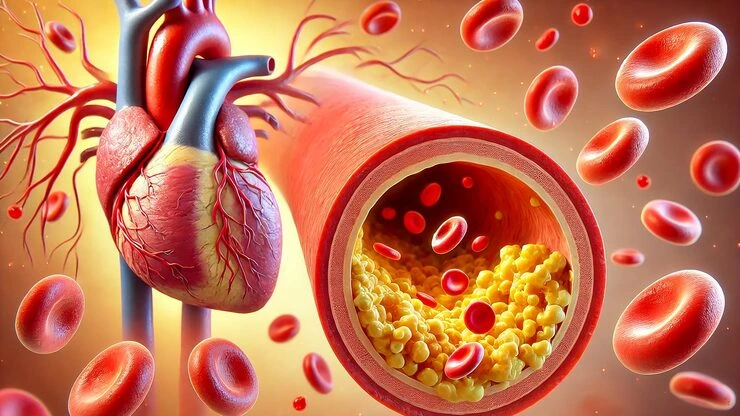
Mesenteric ischemia can occur in two main forms: acute mesenteric ischemia, which develops suddenly and requires emergency treatment, and chronic mesenteric ischemia, which progresses gradually over time.
Acute mesenteric ischemia is often caused by a sudden blockage of an intestinal artery due to a blood clot or embolus. Chronic mesenteric ischemia usually results from progressive narrowing of arteries due to atherosclerosis. Patients with chronic disease may experience recurring abdominal discomfort, especially after meals, leading to reduced food intake and unintended weight loss.
Mesenteric ischemia is commonly associated with conditions such as atherosclerosis, heart rhythm disorders, heart disease, blood clotting disorders, and advanced age. Risk factors include smoking, high blood pressure, high cholesterol, diabetes, and a history of vascular disease.
Patients with existing heart or peripheral vascular conditions are at increased risk, making early evaluation and preventive care especially important.
Symptoms of mesenteric ischemia may include severe abdominal pain, especially after eating, nausea, vomiting, bloating, diarrhea, or unexplained weight loss. In acute cases, pain may be sudden, intense, and disproportionate to physical findings, signaling a medical emergency.
Immediate evaluation is required for severe or sudden abdominal pain, as delayed treatment can result in irreversible intestinal damage. Chronic symptoms should also be evaluated promptly to prevent progression to acute ischemia.
At Serenity Health Care, management begins with a thorough clinical assessment and detailed evaluation to confirm the diagnosis and determine disease severity. Treatment plans are individualized based on whether the condition is acute or chronic and the patient’s overall health status.
Care focuses on restoring blood flow, relieving symptoms, preventing intestinal injury, and managing underlying vascular risk factors. Patients receive structured follow-up and guidance on dietary habits, medication adherence, and lifestyle modification to support long-term vascular health.
For advanced or high-risk cases, coordinated care pathways ensure timely access to specialized vascular and cardiac services for comprehensive management.
The primary goals of treatment are to restore adequate intestinal blood supply, prevent tissue damage, relieve symptoms, and reduce the risk of recurrence. Early intervention significantly improves outcomes and preserves digestive function.
A patient-centered approach ensures that treatment decisions are aligned with individual needs and long-term health goals.
Comprehensive evaluation of acute and chronic mesenteric ischemia
Evidence-based and individualized treatment strategies
Focus on early diagnosis and complication prevention
Integrated care for patients with vascular and cardiac conditions
Seamless coordination with comprehensive cardiology services
Serenity Health Care offers reliable and compassionate care for individuals with mesenteric ischemia in a supportive and well-equipped environment. Our team is committed to timely diagnosis, effective treatment, and long-term vascular health support.
Early recognition and prompt care can protect intestinal health and save lives — and we are here to support you at every stage of treatment.