Easy booking, trusted specialists, and compassionate multispeciality care.
Reliable Rhythm Management for Safe and Steady Heart Function
A pacemaker is a specialized cardiac device used to regulate abnormal heart rhythms by maintaining an appropriate heart rate. At Serenity Health Care, we offer single-chamber and dual-chamber pacemaker implantation as part of comprehensive care for patients with slow or irregular heartbeats that affect daily functioning and overall health.
When the heart’s natural electrical system fails to maintain a steady rhythm, it can lead to dizziness, fatigue, fainting, and reduced blood flow to vital organs. Pacemaker therapy provides a dependable solution to restore rhythm stability and improve quality of life.
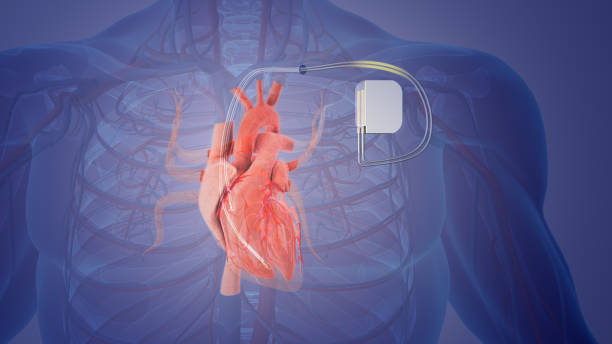
The heart relies on electrical signals to coordinate each heartbeat. Conditions that disrupt this signaling—such as heart block or sinus node dysfunction—can cause the heart to beat too slowly or irregularly. A pacemaker continuously monitors the heart’s rhythm and delivers gentle electrical impulses when needed to maintain a healthy heart rate.
Pacemakers are small, battery-powered devices implanted under the skin, usually below the collarbone, with leads that deliver signals to the heart. Modern pacemakers are highly reliable, programmable, and designed to adapt to the patient’s activity level.
Single-chamber pacemakers use one lead to regulate either the upper or lower chamber of the heart. They are typically recommended when pacing is required in a single chamber due to specific rhythm disorders.
Dual-chamber pacemakers use two leads—one for the upper chamber (atrium) and one for the lower chamber (ventricle). This allows better coordination between chambers, more closely mimicking the heart’s natural rhythm and improving overall cardiac efficiency in many patients.
The choice between single- and dual-chamber pacing is determined by the patient’s specific rhythm condition, heart structure, and clinical needs.
Pacemaker implantation may be recommended for individuals experiencing symptoms such as dizziness, fainting spells, unexplained fatigue, breathlessness, or slow heart rate due to electrical conduction disorders. It is also advised for patients diagnosed with heart block, sinus node disease, or rhythm disturbances identified during evaluation.
Early treatment helps prevent complications such as falls, reduced organ perfusion, and worsening heart function, especially in older adults and patients with underlying heart disease.
At Serenity Health Care, pacemaker implantation begins with a detailed clinical assessment and rhythm evaluation to confirm the need for device therapy. The procedure is performed in a controlled, well-equipped environment using standardized safety protocols.
During implantation, leads are carefully positioned within the heart and connected to the pacemaker device. The system is tested and programmed to meet the patient’s individual rhythm requirements. The procedure is minimally invasive and typically allows for quick recovery.
After implantation, patients receive structured post-procedure monitoring, education on device care, and guidance on physical activity and follow-up schedules. Regular follow-up ensures optimal device performance and long-term rhythm stability.
Restoration of stable and reliable heart rhythm
Relief from symptoms such as dizziness and fainting
Improved blood flow and energy levels
Enhanced safety and daily functioning
Long-term rhythm management with minimal lifestyle disruption
Expertise in single- and dual-chamber pacing systems
Evidence-based patient selection and precise implantation
Focus on safety, comfort, and long-term outcomes
Structured follow-up and device optimization
Seamless integration with comprehensive cardiology services
Serenity Health Care offers dependable and advanced pacemaker implantation in a supportive, patient-centered environment. Our team is committed to restoring rhythm stability, improving quality of life, and providing long-term cardiac rhythm care.
A steady heart rhythm supports a confident life — and pacemaker therapy helps make that possible.