Easy booking, trusted specialists, and compassionate multispeciality care.
Accurate Imaging of Blood Vessels to Diagnose Circulatory Disorders
A peripheral angiogram is a specialized diagnostic procedure used to evaluate blood flow in the arteries outside the heart, particularly those supplying the legs, arms, abdomen, and other vital organs. At Serenity Health Care, peripheral angiography is performed using advanced imaging technology to accurately detect narrowing, blockages, or abnormalities in peripheral blood vessels.
This procedure plays a crucial role in diagnosing peripheral vascular disease, identifying the cause of reduced circulation, and guiding appropriate treatment decisions such as angioplasty or other endovascular interventions.
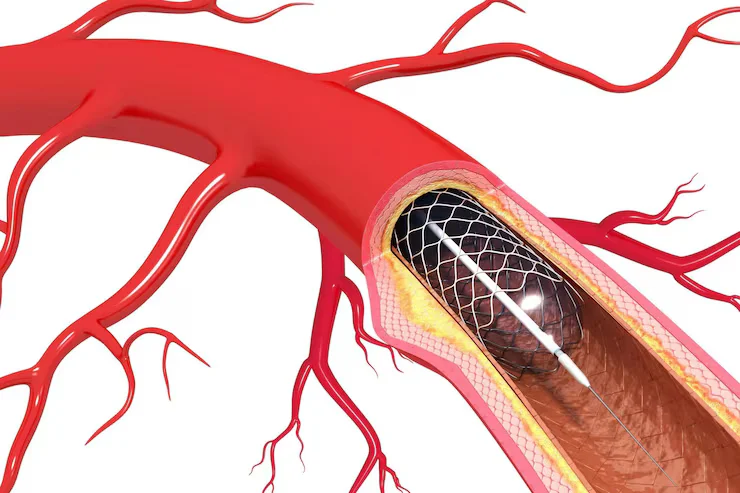
Peripheral arteries carry oxygen-rich blood from the heart to the limbs and organs. When these vessels become narrowed or blocked due to plaque buildup, blood clots, or vessel damage, it can lead to pain, tissue damage, non-healing wounds, and functional impairment.
A peripheral angiogram provides detailed, real-time images of the blood vessels by injecting contrast dye and capturing X-ray images. This allows precise assessment of blood flow, vessel anatomy, and the severity and location of blockages, which cannot always be accurately identified through non-invasive tests alone.
A peripheral angiogram may be recommended for individuals experiencing symptoms such as leg pain while walking (claudication), rest pain in the limbs, cold or numb extremities, color changes in the skin, or non-healing ulcers, especially in patients with diabetes.
It is also advised for patients with suspected acute or chronic limb ischemia, mesenteric ischemia, or other vascular conditions where accurate vessel mapping is required before treatment. Patients with risk factors such as diabetes, smoking history, high blood pressure, high cholesterol, or known cardiovascular disease may benefit from peripheral angiographic evaluation.
A peripheral angiogram helps assess:
Location and severity of arterial narrowing or blockages
Blood flow to limbs and organs
Extent of peripheral artery disease
Suitability for angioplasty or other vascular interventions
Cause of non-healing wounds or ischemic symptoms
The information obtained is essential for planning effective and targeted vascular treatment.
At Serenity Health Care, peripheral angiography is performed in a controlled and well-equipped catheterization environment. The procedure begins with a detailed clinical assessment and appropriate preparation to ensure patient safety and comfort.
A thin catheter is guided through a blood vessel to the area of interest, and contrast dye is injected to highlight the arteries on imaging. The process is carefully monitored, and high-quality images are obtained for accurate interpretation.
Following the procedure, patients are closely observed, and results are explained clearly along with recommendations for further treatment if required. Most patients recover quickly and can resume normal activities as advised.
Precise visualization of peripheral blood vessels
Early detection of circulation-related problems
Accurate guidance for treatment planning
Helps prevent complications such as limb ischemia
Supports timely and effective vascular intervention
Advanced vascular imaging and catheterization facilities
High diagnostic accuracy and patient safety focus
Evidence-based evaluation and clear reporting
Patient-centered care with detailed explanations
Seamless coordination with advanced vascular procedures
Serenity Health Care offers reliable and precise peripheral angiography as part of its comprehensive vascular and cardiac services. Our team is committed to accurate diagnosis, safe procedures, and clear guidance to help patients make informed decisions about their vascular health.
Early and accurate diagnosis is key to protecting circulation — and peripheral angiography plays a vital role in that process.