Easy booking, trusted specialists, and compassionate multispeciality care.
Restoring Blood Flow in Iliac, Femoral, and Infrapopliteal Arteries
Peripheral angioplasty is a minimally invasive procedure used to restore blood flow in narrowed or blocked arteries supplying the limbs. At Serenity Health Care, we offer advanced peripheral angioplasty for the iliac arteries, femoral arteries, and infrapopliteal (below-the-knee) vessels, helping relieve symptoms, promote healing, and prevent limb-threatening complications.
Reduced blood flow to the lower limbs can cause pain, walking difficulty, non-healing wounds, and in severe cases, tissue loss. Timely peripheral angioplasty plays a crucial role in preserving mobility, improving quality of life, and preventing amputation.
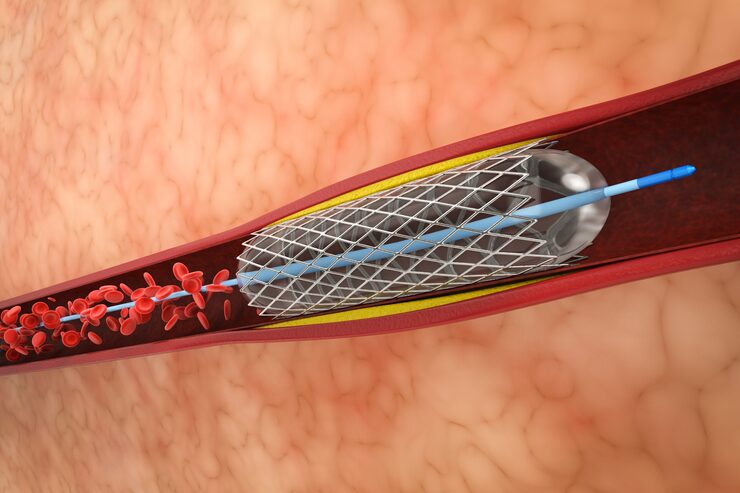
Peripheral arterial disease (PAD) develops when plaque builds up inside arteries supplying the legs and pelvis, leading to reduced circulation. The iliac arteries supply blood to the pelvis and upper legs, the femoral arteries supply the thighs and legs, and the infrapopliteal vessels supply the lower legs and feet.
Blockages in these arteries may cause symptoms such as leg pain while walking (claudication), rest pain, cold or numb feet, skin discoloration, and non-healing ulcers—especially in individuals with diabetes or long-standing vascular disease.
Peripheral angioplasty is recommended for patients with significant arterial narrowing or blockage causing symptoms or tissue damage. It is commonly advised for individuals with chronic limb ischemia, acute limb ischemia, diabetic foot ulcers, or non-healing wounds related to poor circulation.
Patients who do not respond adequately to medical therapy and lifestyle modification may benefit from angioplasty to restore blood flow and prevent disease progression.
Peripheral angioplasty at Serenity Health Care addresses blockages in:
Iliac arteries, improving blood flow to the pelvis and legs
Femoral arteries, restoring circulation to the thighs and lower limbs
Infrapopliteal vessels, critical for foot and wound healing
Treating these vessels helps relieve pain, improve walking ability, and support ulcer healing.
At Serenity Health Care, peripheral angioplasty begins with a thorough clinical assessment and review of angiographic findings. The procedure is performed in a well-equipped catheterization laboratory using advanced imaging guidance.
A thin catheter is guided to the narrowed artery, and a small balloon is inflated to widen the vessel. In some cases, a stent may be placed to keep the artery open and maintain blood flow. The procedure is carefully monitored to ensure safety and precision.
Following angioplasty, patients receive structured post-procedure care, including monitoring, medication guidance, and advice on activity and wound care when applicable. Most patients experience improved symptoms and faster recovery due to the minimally invasive nature of the procedure.
Restoration of blood flow to affected limbs
Relief from pain and walking difficulty
Improved healing of ulcers and wounds
Reduced risk of limb loss and amputation
Minimally invasive treatment with quicker recovery
Expertise in iliac, femoral, and infrapopliteal interventions
Advanced imaging-guided vascular procedures
Evidence-based and patient-specific treatment planning
Focus on limb preservation and long-term outcomes
Seamless coordination with comprehensive vascular and cardiac services
Serenity Health Care offers reliable and advanced peripheral angioplasty in a patient-centered and well-equipped environment. Our team is committed to restoring circulation, promoting healing, and helping patients regain mobility and confidence.
Healthy blood flow is essential for limb function — and timely angioplasty can make a life-changing difference.