Easy booking, trusted specialists, and compassionate multispeciality care.
Advanced Stenting Procedures for Critical Arterial Blockages
Peripheral vascular interventions are minimally invasive procedures used to restore blood flow in major arteries supplying the brain, abdominal organs, and upper limbs. At Serenity Health Care, we offer advanced carotid artery stenting, mesenteric artery stenting, and subclavian artery stenting to treat significant arterial narrowing or blockages and prevent serious complications.
Reduced blood flow in these vital arteries can lead to life-threatening conditions such as stroke, intestinal ischemia, or arm ischemia. Early diagnosis and timely endovascular treatment play a crucial role in protecting organ function and improving long-term outcomes.
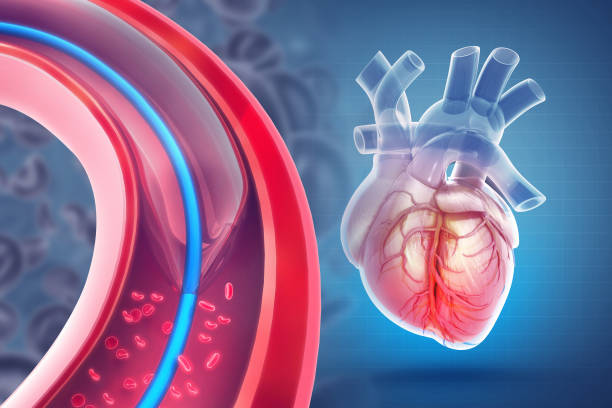
Peripheral arterial disease can affect arteries beyond the legs, including vessels supplying the brain, intestines, and upper limbs. Plaque buildup, calcification, or vessel narrowing can significantly reduce blood flow and compromise organ function.
Carotid artery disease affects blood supply to the brain and increases the risk of stroke. Mesenteric artery disease reduces blood flow to the intestines, potentially causing abdominal pain and serious complications. Subclavian artery disease affects blood flow to the arms and can also impact circulation to the brain in certain cases.
Carotid Artery Stenting
Carotid artery stenting is performed to treat significant narrowing of the carotid arteries, which supply blood to the brain. Severe carotid artery disease increases the risk of stroke due to reduced blood flow or plaque fragments traveling to the brain.
Stenting helps open the narrowed artery, restore blood flow, and reduce the risk of stroke in selected patients.
Mesenteric Artery Stenting
Mesenteric artery stenting is used to restore blood flow to the intestines in patients with mesenteric ischemia. Reduced blood supply can cause severe abdominal pain, weight loss, and digestive problems.
Stenting improves intestinal circulation, relieves symptoms, and prevents progression to life-threatening bowel damage.
Subclavian Artery Stenting
Subclavian artery stenting treats narrowing or blockage in the artery supplying the arms and, in some cases, the brain. Symptoms may include arm pain, fatigue during activity, dizziness, or blood pressure differences between arms.
Stenting restores normal blood flow, improves arm function, and reduces neurological symptoms when present.
These interventions are recommended for patients with significant arterial narrowing causing symptoms or posing a high risk of complications. Patients with stroke risk, chronic abdominal pain related to ischemia, arm ischemia, or abnormal findings on vascular imaging may benefit from stenting.
Early intervention helps prevent irreversible organ damage and improves quality of life.
At Serenity Health Care, peripheral vascular stenting begins with a detailed clinical assessment and imaging evaluation to identify the severity and location of arterial disease. Treatment plans are individualized based on patient risk profile and vascular anatomy.
During the procedure, a catheter is guided to the affected artery, and a stent is placed to widen the vessel and restore blood flow. Advanced imaging guidance ensures precision and safety throughout the intervention.
Patients receive structured post-procedure monitoring, medication guidance, and follow-up care to support recovery and long-term vascular health.
Restoration of blood flow to vital organs
Reduced risk of stroke and ischemic complications
Relief from symptoms such as pain, dizziness, or fatigue
Minimally invasive treatment with faster recovery
Long-term protection of organ function
Expertise in advanced endovascular stenting procedures
Evidence-based patient selection and precise technique
Focus on safety, durability, and long-term outcomes
Integrated cardiac and vascular care approach
Seamless coordination across diagnostic and interventional services
Serenity Health Care offers advanced and compassionate peripheral vascular interventions in a modern, patient-centered environment. Our team is committed to restoring circulation, preventing complications, and protecting vital organ function.
When critical arteries are affected, timely vascular intervention can be life-saving — and expert care makes all the difference.