Easy booking, trusted specialists, and compassionate multispeciality care.
Advanced Solutions for Severely Calcified Coronary Artery Disease
Severely calcified coronary arteries present one of the greatest challenges in interventional cardiology. At Serenity Health Care, we offer advanced plaque-modification techniques including Rotational Atherectomy, Orbital Atherectomy, and Intravascular Lithotripsy (IVL)–guided coronary angioplasty to safely and effectively treat heavily calcified coronary blockages.
Calcified plaques make arteries rigid and resistant to standard balloon angioplasty and stent expansion. These advanced techniques are designed to modify hardened plaque, improve vessel compliance, and enable optimal stent placement—resulting in better procedural success and long-term outcomes.
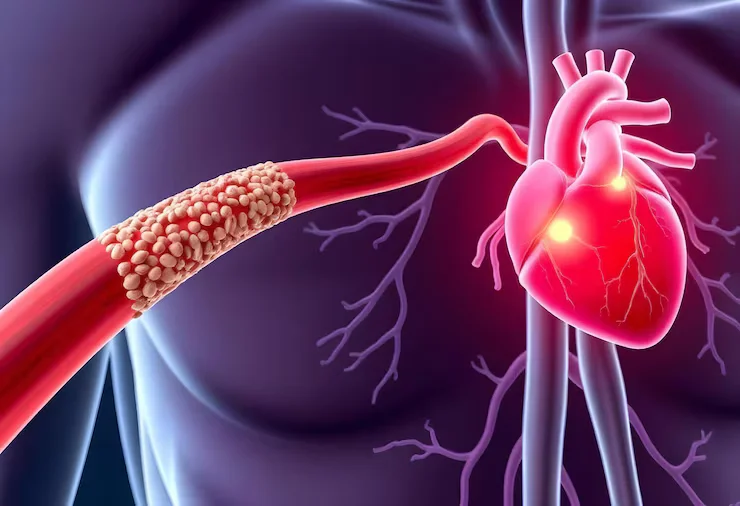
Coronary artery calcification occurs when long-standing plaque hardens due to calcium deposition within the vessel wall. This condition is commonly seen in elderly patients, individuals with diabetes, chronic kidney disease, or long-standing coronary artery disease.
Heavily calcified lesions increase the risk of incomplete stent expansion, vessel injury, and procedural complications if treated with conventional methods alone. Advanced plaque-modification strategies are therefore essential for safe and durable treatment.
Rotational Atherectomy
Rotational atherectomy uses a high-speed rotating diamond-coated burr to carefully shave and modify calcified plaque. This creates a smoother vessel lumen, allowing balloons and stents to expand effectively.
Orbital Atherectomy
Orbital atherectomy uses an eccentrically rotating crown to sand down calcium within the artery. It allows controlled plaque modification while preserving vessel integrity and improving blood flow.
Intravascular Lithotripsy (IVL)
IVL uses targeted acoustic pressure waves to fracture deep calcium within the vessel wall. This technique softens calcified plaques without damaging surrounding tissue, enabling safer stent expansion.
Each technique is selected based on plaque characteristics, vessel anatomy, and overall clinical context.
Rotational, orbital atherectomy, or IVL-guided angioplasty is recommended for patients with severely calcified coronary arteries where standard angioplasty is unlikely to be successful. These procedures are commonly used in complex coronary disease, left main artery involvement, long-standing blockages, and cases of prior stent under-expansion.
Patients with diabetes, kidney disease, advanced age, or recurrent coronary disease often benefit from these specialized approaches.
At Serenity Health Care, treatment begins with detailed coronary assessment and imaging to evaluate the extent and depth of calcification. Advanced plaque-modification tools are then used to prepare the artery before balloon dilation and stent placement.
Throughout the procedure, careful monitoring ensures safety and precision. After plaque modification, angioplasty and stenting are performed to restore optimal blood flow. Post-procedure imaging confirms successful vessel expansion and stent deployment.
Patients receive structured post-procedure care, medication guidance, and follow-up planning to support recovery and long-term heart health.
Effective treatment of heavily calcified coronary lesions
Improved stent expansion and procedural success
Reduced risk of stent failure and repeat interventions
Minimally invasive approach for complex coronary disease
Enhanced long-term vessel patency and heart function
Expertise in complex and calcified coronary interventions
Access to advanced atherectomy and IVL technologies
Evidence-based, precision-driven treatment strategies
Strong focus on patient safety and long-term outcomes
Seamless integration with comprehensive cardiac care services
Serenity Health Care offers advanced and reliable care for patients with severely calcified coronary artery disease in a modern, patient-centered environment. Our team is committed to precision, safety, and long-term success in complex coronary interventions.
When standard angioplasty is not enough, advanced plaque-modification therapies can make a life-saving difference.